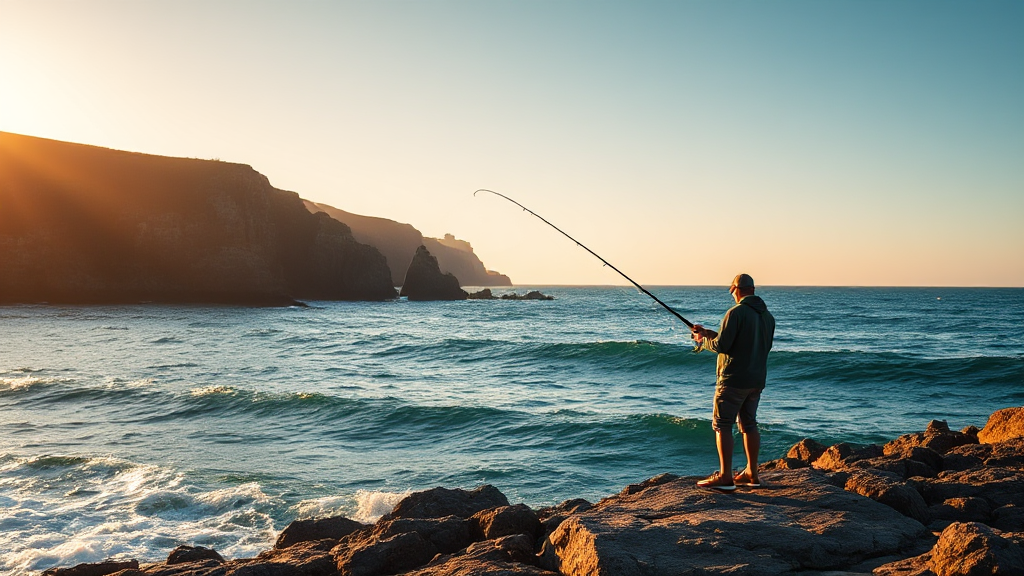
7 First-Timer Mistakes That Ruin Fishing in Portugal (And How to Fix Them)
7 First-Timer Mistakes That Ruin Fishing in Portugal (And How to Fix Them)
The mistake I see most often on the support desk is not a bad cast or the wrong bait. It is an angler standing on a Portuguese beach with a rod in one hand and a look of quiet panic on their face because they assumed a licence was optional, or that they could sort it out later at some office in town. By the time they message us, the tide has already turned and the morning bite is gone. If you are planning your first trip, the fastest way to protect your day on the water is to understand the rules and paperwork before you leave the hotel.
This is a scenario walkthrough, not a lecture. I have handled enough of these tickets to know where people trip up, so I will walk you through the seven mistakes that cost first-timers the most time, money and fish, then show you how the same routine flexes for different situations, whether you are a week-long tourist, a resident expat or a local picking the hobby back up. If you want the short version of the licence part, the service at fishing in portugal exists precisely to remove the queue and the guesswork.
1. Assuming You Do Not Need a Licence for Recreational Sea Fishing
This is the big one. Mainland Portugal requires a recreational sea fishing licence for the activities most visitors actually do: shore casting, rock fishing, surf fishing and fishing from a boat for non-commercial purposes. People hear “recreational” and assume it means “no paperwork.” It does not. The licence is issued through DGRM, the Portuguese authority responsible for marine resources, and it is checked. Maritime police and local authorities do ask to see it, and “I did not know” is not a defence that gets you back to your rod.
The confusion usually comes from two directions. First, freshwater fishing in Portugal is handled differently from sea fishing, so advice written for river anglers does not apply to you on the coast. Second, rules can vary in specific protected areas, so a blanket statement from a forum thread five years old is worthless. Treat the sea licence as the baseline requirement for your trip and confirm any local restrictions on top of that.
What makes this fixable is that the application itself is quick. You do not need a Portuguese tax number, you do not need to navigate a government portal in a language you do not speak, and you do not need to find an office that happens to be open. A properly set up fishing license application takes roughly three minutes and can be paid by card, Apple Pay or Google Pay, which matters when you are doing it from a cafe the night before your first session.
2. Leaving the Licence Until the Morning You Want to Fish
Here is the scenario I see constantly. Someone lands in Faro or Lisbon, checks in, has dinner, and only then starts thinking about the next morning. They open a browser at 10 p.m., hit a wall of unfamiliar terminology, and either give up or fish illegally the next day hoping nobody checks. Both outcomes are avoidable.
Build the licence into your travel prep the same way you would build in travel insurance. Do it the evening you book your accommodation, or at least the day before your first session. That gives you a buffer if a payment needs a second attempt or if you want to double-check which category of licence matches your plans. If you are fishing from a charter boat, ask the operator what they expect, because some skippers want to see your licence before you board and will not wait while you fumble with a phone at the dock.
The practical rhythm that works: book the trip, book the accommodation, sort the licence, then start thinking about tackle. Paperwork first, gear second. It is boring advice, but it is the difference between a relaxed first morning and a stressful one.
3. Misreading the Coast and Fishing the Wrong Water
Portugal’s coastline is not one thing. The Algarve in the south gives you warmer water, dramatic cliffs and a mix of sandy beaches and rocky points. The Atlantic coast running up toward Lisbon and beyond is colder, rougher and more exposed. The west coast around Peniche and Nazaré is famous for big swell and serious currents. If you fish all of it the same way, you will blank on some days and put yourself in danger on others.
First-timers also underestimate the wind. The nortada, the summer north wind that funnels down the west coast, can turn a calm afternoon into a washing machine and make casting miserable. Check the forecast for wind direction and swell height, not just temperature. On the south coast, sheltered bays can stay fishable when the west coast is blown out, so a little flexibility in where you drive pays off.
Tide matters too. Many Portuguese marks fish best on a rising tide or around the change of light. Locals will often fish the two hours either side of high water and then go home. If you only have one session, ask at a local tackle shop which tide suits the spot you have in mind. That single question saves more blank sessions than any expensive lure.
4. Bringing the Wrong Gear or the Wrong Bait
You can catch plenty of fish in Portugal with modest gear, but the gear has to match the conditions. A light freshwater setup will struggle against current, wind and the size of fish you might hook from a rock mark. Most visiting anglers are well served by a medium spinning rod around nine to ten feet, a reel that holds a few hundred metres of line, and a leader heavy enough to survive contact with rocks.
Bait and lure choices depend on what you are targeting. Off the rocks and beaches, small metals, soft plastics and surface lures work well for bass, mackerel and similar species. For bottom fishing, squid, prawn, razor clam and worm baits are standard. Local tackle shops in towns like Sagres, Peniche or Sesimbra are goldmines here; staff will tell you exactly what is working that week and sell you the right hooks and weights for the spot you name.
Do not overpack. A small box of proven lures, a handful of rigs, pliers, a headlamp and a decent landing net will cover most sessions. The rest is water reading and patience.
5. Ignoring Safety, Access and Local Etiquette
Rock fishing in Portugal is beautiful and genuinely dangerous. Slippery surfaces, unexpected sets of waves and remote access points mean you should never fish alone on an exposed mark if you can avoid it, and you should always know how you would get out if the weather turned. Wear shoes with grip, watch where the last high tide reached, and never turn your back on the ocean to pose for a photo.
Access is another quiet trap. Some beaches and cliffs sit inside protected areas or near military zones, and some paths cross private land. Signs are not always in English, so if a gate is closed or a track looks maintained, assume there is a reason. Ask locally before you commit. Portuguese anglers are generally welcoming, but they notice visitors who leave litter, block access roads or crowd a mark. Keep your footprint small and you will be treated well.
Finally, know your limits on what you keep. Size and bag rules exist for a reason, and they protect the fishing you came for. If you are unsure about a species, release it.
6. Forgetting That Situations Vary
The routine above is the tourist version, but the same logic flexes for other people. If you are a resident or an expat, you are not doing a one-off trip; you are building a habit, so it is worth understanding the licence categories properly and renewing before each period rather than scrambling. If you are fishing from a charter, the skipper may handle some logistics, but your personal licence is still your responsibility. If you are travelling with family and only plan a couple of sessions, the three-minute application is still the right move, because a single unlicensed session can sour a whole holiday.
If you are heading to the Azores or Madeira, treat that as a separate planning exercise. Those islands have their own conditions, species and rules, and advice written for the mainland does not always carry over. Confirm locally, and do not assume your mainland paperwork covers everything.
Whatever your situation, the pattern holds: sort the licence first, read the water and the weather second, and match your gear to the mark. Do that and your first Portuguese session looks a lot like your tenth.
7. Treating the Paperwork as the Hard Part
Here is the reframe that helps most people. The licence is not the obstacle standing between you and portugal fishing. It is the ten-minute task that unlocks everything else. Once it is done, your attention goes where it belongs: reading the tide, choosing the mark, tying on the right lure and enjoying a coastline that ranges from gentle Algarve bays to the wild Atlantic edge.
So do the boring thing first. Apply before you fly, pay with whatever method suits you, and keep a copy on your phone. Then pack the rod, check the wind, and go stand somewhere beautiful with the sea in front of you. That is the version of a first trip worth remembering, and it starts with one small piece of admin handled early.