Nature Habits After 60: Gentle, Effective, Sustainable
Nature Habits After 60: Gentle, Effective, Sustainable
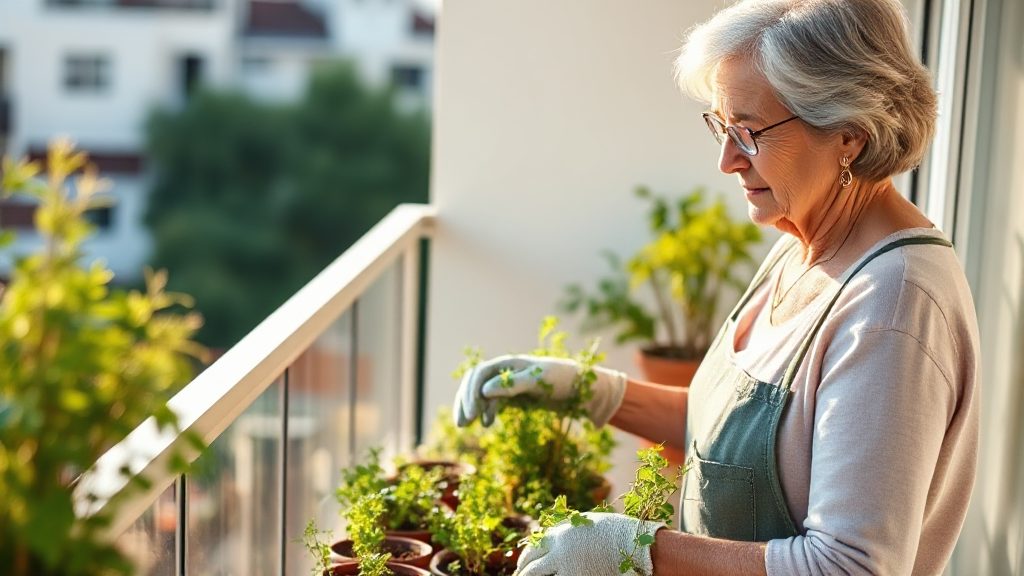
When Margaret turned 68, her daughter gave her three basil seedlings in terracotta pots. Margaret had never gardened. She set them on a sunny balcony rail, watered them each morning, and within a month noticed something unexpected: she was standing taller while she filled the watering can, and her mood had lifted in a way she could not quite explain. Her doctor was not surprised. Regular contact with Nature — even on a small balcony — is one of the most reliable, low-cost ways for older adults to protect balance, mood, and thinking skills.
This guide is written for readers over 60 and the families who support them. It draws on established geriatric and environmental health principles to show how walking, gardening, and simple outdoor routines can become sustainable habits rather than one-time efforts. Nothing here replaces medical advice, but everything here is designed to be adapted to real knees, real medications, and real weather.
Why Nature Contact Matters More After 60
Aging changes the body in predictable ways. Muscle mass declines, reaction time slows, and the inner-ear and visual systems that keep us steady become less forgiving. Mood can dip after retirement, loss, or reduced social contact. Cognition may feel less sharp, especially under stress or poor sleep. These changes are normal, but their pace is not fixed. Movement, light exposure, and meaningful daily activity all influence how quickly they progress.
Time outdoors supports each of these systems at once. Walking on uneven ground — grass, gravel, a park path — challenges balance in a productive way. Morning light helps regulate the sleep-wake cycle, which in turn supports memory and mood. Gardening involves bending, reaching, gripping, and planning, a quiet combination of strength, flexibility, and executive function. And being in green space tends to lower stress hormones, which matters because chronic stress is hard on both the heart and the brain.
None of this requires hiking mountains. For most people over 60, the benefits come from frequency and consistency, not intensity. Fifteen minutes most days beats two hours once a month.
Walking: The Simplest Mobility Prescription
Walking is the most accessible form of nature contact. It requires no equipment beyond supportive shoes, and it can be scaled from a hallway to a woodland trail. For older adults, the goal is not speed. It is regularity, varied terrain, and enough challenge to keep the balance system engaged without risking a fall.
Start where you are. If ten minutes is comfortable, do ten minutes. If five is realistic, do five. A useful target is 20 to 30 minutes on most days, which can be split into two shorter walks. Walking with a friend or family member adds a social layer that independently supports mood and cognition.
Terrain matters. Sidewalks are safe and predictable. Grass, packed dirt, and gentle slopes ask more of the ankles, hips, and core. If balance is a concern, use a trekking pole or a walking stick, and choose parks with benches so you can rest. If you use a rollator or wheelchair, paved garden paths and boardwalks still deliver the light, air, and green views that support wellbeing.
Timing also matters. Morning walks help anchor the body clock. Late afternoon walks can reduce evening restlessness. In hot climates, early morning or early evening avoids the worst heat. In cold climates, layering and a warm hat make winter walks possible rather than miserable.
Gardening as Strength, Balance, and Purpose
Gardening is often underestimated as exercise. In practice it combines squatting, kneeling, reaching, carrying, and fine motor work. It also provides something walking alone does not: a reason to return to the same spot day after day. That sense of purpose is a quiet but powerful protector of mood and cognition in later life.
You do not need a yard. Balcony containers, window boxes, raised beds, and community plots all work. Raised beds are especially helpful for anyone with back pain, knee arthritis, or limited stamina, because they reduce bending and kneeling. A sturdy stool or kneeler with handles can make ground-level work safer. Long-handled tools reduce reaching.
Choose plants that reward attention without demanding too much. Herbs, cherry tomatoes, lettuce, and hardy flowers are forgiving. If grip strength is reduced, use larger-handled tools and lightweight pots. If vision is reduced, use high-contrast labels and plant in defined rows.
Safety comes first. Avoid gardening in extreme heat, and drink water before you feel thirsty. Wear gloves to prevent cuts and infections, especially if you take blood thinners or have diabetes. Check for ticks after time in tall grass. If you have balance problems, avoid ladders and stepladders entirely; ask for help with high branches and gutters.
The cognitive benefits of gardening are real and often overlooked. Planning a season, remembering watering schedules, and noticing changes in plants all exercise memory and attention. For families, gardening can become a shared activity that gives older relatives a meaningful role rather than a passive one.
Adapting Nature Habits to Real Limitations
Not every older adult can walk a trail or dig a bed. The habits still work when adapted thoughtfully. The principle is to keep the contact with nature, light, and gentle movement while removing the fall and fatigue risks.
For arthritis, choose shorter sessions more often, warm up indoors first, and use padded grips. For heart or lung conditions, keep walks flat and slow, and rest before you feel breathless. For neuropathy or balance disorders, walk on level paved paths, use a cane or pole, and consider a companion. For those with dementia, familiar routes and simple garden tasks reduce confusion and can ease agitation.
Indoor alternatives still count. A chair by a sunny window, a small indoor herb pot, or a bird feeder outside the glass can provide light and a daily point of attention. Some communities offer seated gardening programs and gentle outdoor walking groups specifically for older adults. Ask at a senior center, library, or place of worship.
Family members can help by removing hazards rather than removing activity. Clear paths, fix loose paving, improve outdoor lighting, and keep a bench or chair along the route. Encourage rather than take over. The goal is to preserve independence, not to eliminate every small risk.
Regular checkups remain important. Ask your doctor or physical therapist about your specific balance, heart, and medication situation before starting a new routine, especially if you have had a recent fall or surgery. This is general guidance, not personal medical advice.
A Gentle Weekly Plan to Build the Habit
Habits stick when they are small, scheduled, and pleasant. The plan below is a starting point. Adjust it to your energy, climate, and health. Aim for consistency over perfection.
Monday: Ten to twenty minutes of walking on a flat path, ideally in morning light. Notice three things you can see, hear, or smell.
Tuesday: Fifteen minutes of gardening or plant care. Water, prune, or simply sit with your plants. If you have no garden, tend an indoor pot near a window.
Wednesday: Repeat Monday’s walk, adding a gentle slope or a slightly longer route if you feel steady.
Thursday: Rest or light indoor activity. Stretch, or sit outside for ten minutes with a cup of tea.
Friday: Gardening session focused on a small task: repotting, weeding one container, or sowing seeds. Keep it to twenty minutes.
Saturday: A social walk with a friend, family member, or walking group. Conversation is part of the medicine.
Sunday: A longer, slower outdoor time — a park bench, a garden center visit, or a short nature trail. No performance required.
Track your weeks simply. A calendar with a checkmark is enough. If you miss days, restart without guilt. The Health benefits of nature contact come from the overall pattern, not from a perfect record.
Over time, these small routines tend to reinforce each other. Better sleep makes morning walks easier. Stronger legs make gardening more comfortable. A reason to go outside makes the day feel structured. For many older adults, that structure is as valuable as the exercise itself.
Frequently Asked Questions
Is it safe to start walking outdoors after 60 if I have not exercised in years?
For most people, yes, provided you start slowly and check with your doctor first. Begin with five to ten minutes on flat, familiar ground, wear supportive shoes, and walk with a companion if balance is uncertain. Stop if you feel dizzy, short of breath, or have chest pain, and seek medical advice.
What if I have arthritis or limited mobility — can gardening still help?
Yes. Raised beds, container gardens, long-handled tools, and a sturdy kneeler reduce strain on joints. Seated gardening and indoor plants still provide light, purpose, and gentle movement. The key is to adapt the task rather than abandon it.
How much time outdoors do I actually need to see benefits?
Research suggests that even short, regular exposure — around 15 to 30 minutes on most days — supports mood, sleep, and mobility. Consistency matters more than duration. A daily ten-minute walk is more useful than a single long outing each month.
Can nature contact really support memory and thinking skills?
There is growing evidence that time in green space, combined with physical activity and social contact, is associated with slower cognitive decline in older adults. Gardening and walking both engage planning, memory, and attention, which helps keep the brain active.
How can family members encourage these habits without being pushy?
Make the activity shared and low-pressure. Offer to walk together, help set up a raised bed, or drive to a park. Remove hazards like loose paving and poor lighting. Praise effort rather than results, and let your relative set the pace.